You've probably heard the term 'asphalt milling' tossed around, especially if you're thinking about getting some serious work done on your driveway or a commercial parking lot. It's a smart choice for many folks, but it also sparks a lot of questions. I get it. Most homeowners aren't road construction experts, and honestly, why should you be? My job, and the job of my crew at Arlington Asphalt Construction, is to make sure you understand exactly what's happening on your property.
So, let's skip the jargon and get right to the answers you need.
What exactly is asphalt milling?
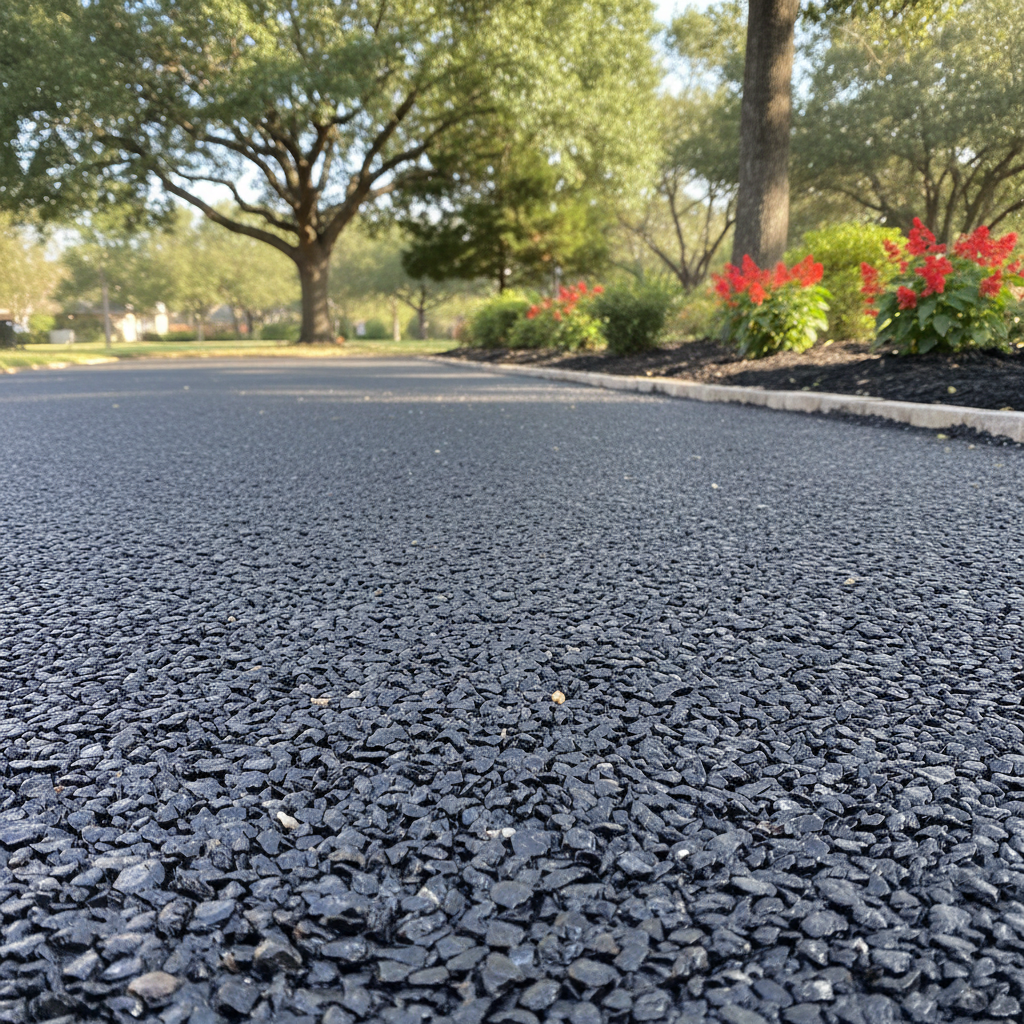
Alright, let's break it down simply. Asphalt milling, sometimes called 'cold planing' or 'asphalt recycling,' is basically how we take off the top layer of an existing asphalt surface. We use a special machine for this, a milling machine or a cold planer. This machine has a big rotating drum with a bunch of teeth on it, and it grinds up the old asphalt into small, reusable pieces. Think of it like a giant cheese grater for your pavement, if you will. We don't dig up the whole thing; we just shave off the damaged top layer. It's a precise process, and we can control the depth of the cut, usually anywhere from a couple of inches to the full depth of the pavement.
Why would I choose milling over a full tear-out and repave?
That's a great question, and it's usually the first one people ask. There are a few big reasons. First off, cost. Milling is almost always more affordable than ripping everything out and starting fresh. You're not paying for all that new aggregate base work, and you're not paying to haul tons of old asphalt to a landfill. Second, it's good for the environment. Those milled asphalt pieces? We call them 'reclaimed asphalt pavement' or RAP, and we can recycle them right back into new asphalt mixes. That means less waste and less demand for brand-new materials. Third, it can be quicker. We're not dealing with the same level of excavation and base preparation, so the project timeline can be shorter, which means less disruption for you.
Is milled asphalt as durable as new asphalt?
When it's done right, absolutely. Here’s the deal: milling removes the deteriorated, cracked, or rutted surface, leaving a solid, stable base underneath. We then apply a new layer of asphalt over that prepared surface. The key is that the existing base layer is still in good shape. If your base is totally shot, then milling might not be the best solution, and we'd tell you that upfront. But for many driveways and parking lots that just have surface wear and tear, milling provides an excellent foundation for a new, durable top layer. It's not just a band-aid; it's a structural repair of the surface.
What kind of problems does milling fix?
Milling is fantastic for tackling a lot of common asphalt issues. We're talking about severe cracking, like alligator cracking, where the surface looks, well, like alligator skin. It also handles rutting, which are those depressions formed by vehicle tires, especially common in high-traffic areas or where heavy trucks sit. Potholes can be addressed this way too, by milling down the surrounding area and then paving over it. And if your asphalt has just gotten really rough, faded, or uneven over the years, milling gives you a fresh, smooth slate to work with. It essentially resets the clock on your pavement's surface.
Will milling affect my drainage?
This is super important, especially with our heavy rains here in Arlington. Good drainage is critical for how long your pavement lasts. When we mill, we're not just taking off a uniform layer. We can actually use the milling process to improve drainage. If you have areas where water pools, or where the grade isn't quite right, we can adjust the depth of the cut to create a better slope. This helps water run off properly, preventing future issues like standing water that can seep into the base and cause more damage. It's a chance to correct minor grading problems without a full reconstruction.
What happens to the milled material?
Like I mentioned, the milled material, or RAP, is really valuable. We load it up and take it to an asphalt plant where it gets processed and incorporated into new asphalt mixes. It's a big part of why milling is so environmentally friendly and cost-effective. It reduces the need for new aggregate and binder, making new asphalt production more sustainable. So, that old, cracked asphalt from your driveway isn't going to waste; it's getting a new life on another road or parking lot, maybe even right back on your own property if the mix allows for it.
How long does an asphalt milling project take?
The timeline really depends on the size of the area we're working on. For a typical residential driveway, milling can often be done in a single day, sometimes even just a few hours, depending on the complexity. Then, of course, we need time for the new asphalt layer to be laid and compacted. For larger commercial parking lots, it's going to take longer, potentially several days or even a week, especially if we're doing it in phases to keep parts of the lot open. We always give you a clear timeline upfront, so you know what to expect. We work efficiently to minimize disruption, because we know you've got things to do.
When is milling NOT the right choice?
Even though milling is great, it's not a magic bullet for every situation. If your asphalt has severe structural issues, meaning the base layer underneath is completely compromised – maybe it's soft, unstable, or has shifted significantly due to poor drainage or heavy loads – then just milling the top isn't going to fix the underlying problem. You'd be putting a new surface on a bad foundation, and it wouldn't last. Also, if your existing asphalt is very thin, say less than 2-3 inches, there might not be enough material to mill effectively without hitting the base too hard. In those cases, a full tear-out and replacement, starting with a fresh, properly compacted base, is the only way to go. We'll always assess your specific situation and give you an honest recommendation about what's best for your property.