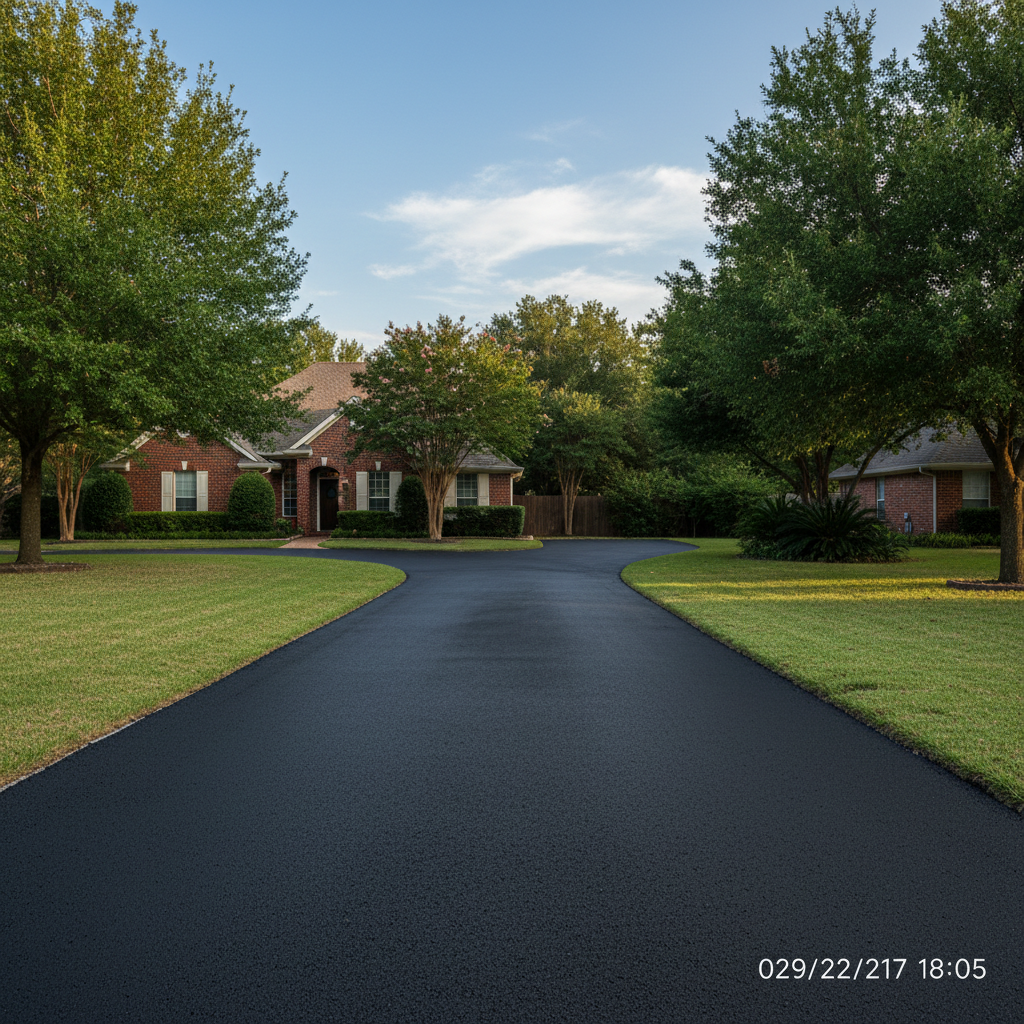
You want your asphalt driveway to last, right? Of course you do. Nobody wants to spend good money on a new driveway only to see it fall apart in a few years. Here in Arlington, our weather can be brutal on asphalt, from those scorching summers to the occasional freeze-thaw cycles we get. But with a little attention, you can really make your driveway last longer.
Make Your Driveway Last Longer: It's Easier Than You Think
Think of your driveway like anything else you own that's out in the elements – it needs protection. The sun's UV rays are a huge enemy of asphalt; they dry out the binders and make it brittle. Water is another big one; it'll seep into cracks and, especially when it freezes, expand and cause even bigger problems. Here's what I tell folks:
- Sealcoating is your best friend. This isn't just about making it look pretty, though it definitely does that too. A good sealcoat puts a protective barrier over your asphalt, shielding it from UV rays, water, and even oil spills. You'll want to do this every 2-3 years, depending on how much traffic and sun your driveway gets. It's like sunscreen for your pavement, really.
- Watch the edges. The edges of your driveway are often the weakest spots. If you've got grass or soil right up against it, make sure it's not higher than the asphalt. Water can get trapped there, softening the base and leading to crumbling.
- Don't overload it. Heavy vehicles, like RVs or commercial trucks, can put a lot of stress on residential asphalt that wasn't designed for that kind of weight. If you absolutely have to park something heavy, try to spread the load or use a different area.
Regular Upkeep: Small Steps, Big Results
You don't need to spend all weekend working on your driveway, but a little regular attention goes a long way. This isn't just about preventing big repairs; it's about keeping it safe and looking sharp.
- Clean it up. Sweep off dirt, leaves, and debris regularly. Organic matter can hold moisture against the surface, and dirt can get ground into the asphalt, wearing it down.
- Deal with spills immediately. Oil, gas, and other chemicals can break down the asphalt binder. If you see a spill, clean it up right away. Kitty litter or sand can absorb fresh spills, then scrub with a stiff brush and a mild detergent.
- Trim those trees and shrubs. Roots can be incredibly powerful, pushing up and cracking asphalt from underneath. Keep an eye on landscaping near your driveway and trim back anything that looks like it might cause trouble.
Warning Signs: What to Look For
Your driveway will usually give you clues when something's not right. Catching these early can save you a bundle down the road. I've seen too many small cracks turn into huge potholes because they were ignored.
- Cracks: This is the most common one. Small, hairline cracks are normal, but if they start to widen, connect, or form a spiderweb pattern (we call that alligator cracking), you've got a problem. These are entry points for water.
- Potholes: These are basically advanced cracks where the asphalt has completely deteriorated and fallen out. They're not just ugly; they're a tripping hazard and can damage your car.
- Fading or graying: If your asphalt is losing its deep black color and looking gray, it means the oils are drying out. This is a sign that it's losing its flexibility and becoming brittle, making it more prone to cracking. This often means sealcoating is overdue.
- Pooling water: After a rain, if you see puddles that stick around for hours, it means you have drainage issues or depressions in your asphalt. Water sitting on the surface will accelerate deterioration. This is especially true with our clay soils here in Arlington, which can shift and cause settlement.
When to Call a Professional: Don't Wait Too Long
Look, some things you can handle yourself, like cleaning or even a small crack fill. But there are times when you really need to bring in the pros. Don't be shy about calling us at Arlington Asphalt Construction if you see any of these issues:
- Extensive cracking: If you've got widespread alligator cracking or cracks that are wider than about a quarter-inch, a simple DIY fix probably won't cut it. You need proper crack sealing or even patching.
- Potholes developing: Small potholes can sometimes be patched, but if they're deep or numerous, you might need a more substantial repair to the base.
- Drainage problems: If water is consistently pooling on your driveway, it's a sign of a sub-base issue or improper grading. This isn't a cosmetic problem; it's structural, and it needs professional assessment to prevent further damage.
- Significant deterioration: If large sections of your driveway are crumbling, rutting, or showing signs of major wear, it might be time to consider resurfacing or even a full replacement. We can assess the situation and give you an honest opinion on the best course of action.
Taking care of your asphalt driveway isn't rocket science, but it does require a little proactive effort. A well-maintained driveway not only looks better but also adds value to your home and saves you money on costly repairs down the line. Keep an eye on it, address small issues quickly, and don't hesitate to call us if you're unsure. We're always happy to take a look.